

Make Sex Expensive Again
How devaluing sex broke men, burdened women, and betrayed kids.


Sex used to be sacred. It created life, bonded couples, formed families, and demanded something of you: commitment, responsibility, even sacrifice. For most of human history, sex had a steep cost. A man had to earn it: through honor, reputation, and provision. A woman had to weigh it, with her future in mind.
And for good reason.
Biologically, the risks were not the same. Women bore the full weight of reproduction: nine months of pregnancy, the trauma/risk of birth, years of nursing and recovery, and all of it under the vulnerability that came with being less mobile, less protected, and less economically productive during that time. One act could reroute her entire life: physically, emotionally, and socially. Men didn’t face the same consequences. So if they wanted access to what women risked most, they were made to offer something in return.
That over-simplified exchange, sex for commitment, reproductive risk for long-term provision, wasn’t exploitative. It was stabilizing. And it gave rise to one of the most consistent institutions across time and culture: marriage.
Marriage is more than just a religious tradition. It’s a social technology. A reproductive regulatory system that evolved to buffer the biological asymmetry between the sexes. In exchange for sexual exclusivity and greater confidence in paternity (the community knowing that your kids are yours), men offered protection, provision, and presence. In return, women gained material security, social honor, and help carrying the cost of childbearing.
And children, the natural product of that union, received what they needed most: a mother and a father, committed to one another and to them. The one type of relationship that across thousands of years has never been outdone in raising flourishing children.
(SIDEBAR: As a Christian, I (Josh) am always fascinated and encouraged when I see the world recognize and affirm God’s design as good)
But it wasn’t just about the nuclear unit. Marriage also created kinship networks, extended family, and broader social bonds, grandparents, in-laws, and cousins, all of which acted as reinforcements around the couple. These networks pushed norms that strengthened these bonds, ideas of fidelity, permanence, and the benefits of sacrifice. And though it was never perfect, the structure benefited everyone in the community, especially the most vulnerable: children.

Reading Cheap Sex especially helped me see just how economically coherent this system really was. Mark Regnerus frames sex as something that operates in a market shaped by cost, scarcity, and incentives. And once I began to think of sex that way, it became painfully clear how much we’ve destabilized the exchange.
Marriage didn’t just reflect my Christian values of sacrifice and commitment. It also helped reinforce them—very practically. More than a mere moral safeguard for society. It was an economic one, designed to ensure that the people who took the greatest risk in reproduction weren’t left to carry it alone. When we dismantled that institution and the cultural norms that upheld it, we didn’t just remove stigma or offer people “freedom”. We upended a system. We unknowingly tipped the scales.
We created a world where women still carry the greatest risk, but now without the protection or partnership that once helped offset it. A world where men are less inclined to commit because the market no longer demands it (they can always find someone who will give it away, and if not, they can turn to porn). A world where children are increasingly born into instability (when they’re lucky enough to be born at all) because sex is no longer tied to any of the long-term obligations it naturally produces.
We thought we were liberating people. In reality, we were cracking our collective societal foundation.
The Conditions That Made Sex Cheap
The sexual revolution didn’t begin with an argument. It began with a new technology.
Synthetic hormonal birth control, better known as “the pill,” made sex reliably infertile, and legalized abortion made it erasable. Together, they transformed a powerful, generative act into something casual and seemingly consequence-free. Sex no longer meant children (at least that you had to raise). And if sex no longer led to children, it no longer required commitment. The guardrails came down.
At the same time, women gained new economic and reproductive freedom. With the ability to prevent or end pregnancy and reliably earn their own income, they no longer needed men in the same way for material provision. That shift altered the entire dating market. For most of history, men competed for women by offering long-term security through stability, protection, and a paycheck. But when those things became less essential for women’s survival, their market value dropped. And as women, en masse, began to offer sex with fewer expectations of commitment in return, the market adjusted. Men no longer had to provide as much to receive what once cost more.
The incentive to pursue marriage weakened. The exchange that once governed sexual relationships (mutual investment, exclusivity, and long-term responsibility) no longer made sense to many. Why take on the weight of a family when sex could be had with no strings attached? If the cost of access fell and demand for commitment declined, why not keep looking for someone willing to offer it at a lower price?
Marriage began to look optional and expensive. Not like the beginning of adulthood or the assumed foundation for family life, but like an accessory to be added later—if at all. Children were delayed or avoided entirely. Not just because people didn’t want them, but because our culture began to treat them as a hindrance to personal fulfillment and professional ambition. So sex remained, but the structures that once gave it meaning were discarded. What was once weighty and rare became routine and detached.
The Cost of “Free” Sex
But sex is not actually cheap. It’s only treated that way.
It still creates children, just increasingly outside of committed relationships. It still drives emotional bonds, just without the covenant that steadies them. And it still reshapes lives, just without any cultural scaffolding to carry its consequences.
The cost hasn’t gone away. It’s just been hidden, redistributed, and often ignored.
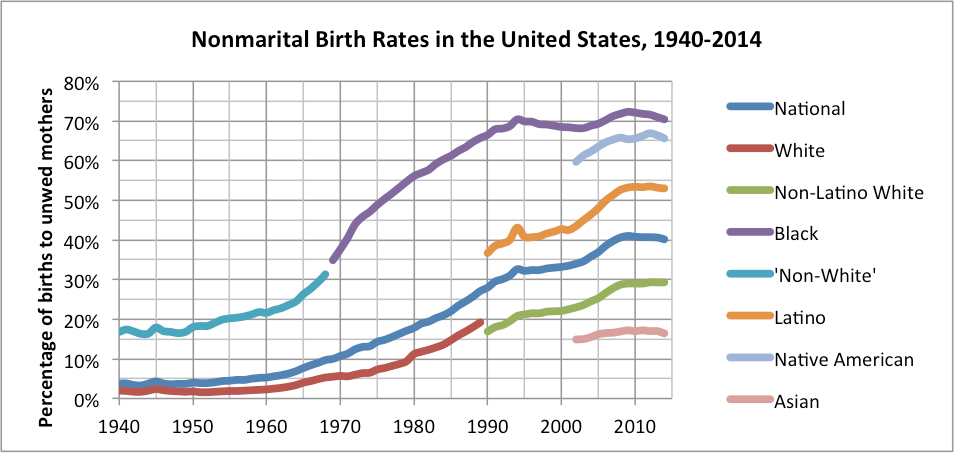
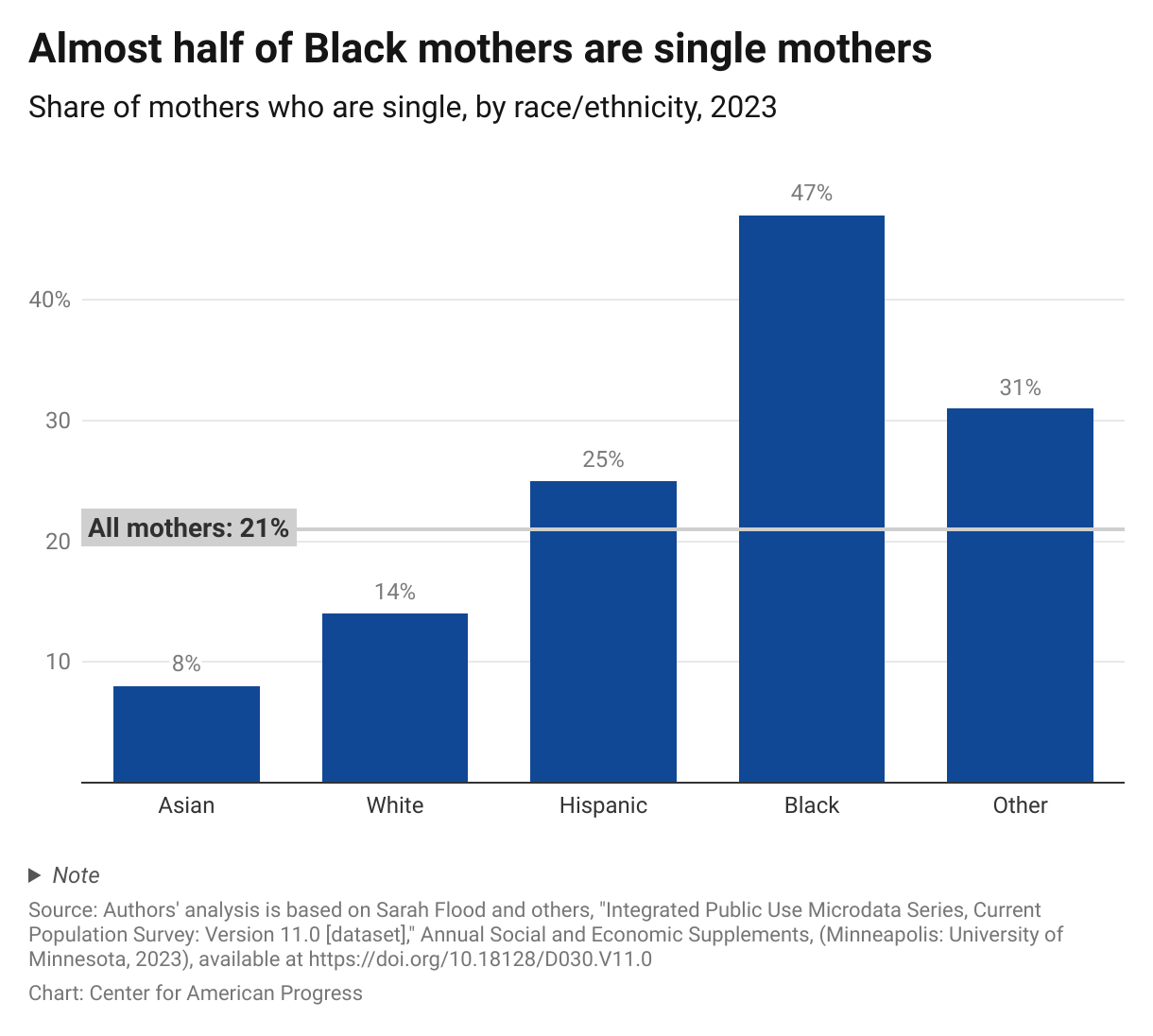
Single mothers now shoulder enormous burdens. Many are functionally dependent—not on husbands, but on government programs. Children grow up without one parent, usually their father. Women strain to do everything. Men drift from one relationship to the next with no lasting ties, no strong sense of purpose, and no real path into manhood.
That’s one of the overlooked effects of this new sexual economy: men without responsibility don’t grow up. They delay sacrifice. They avoid permanence. And without the weight of family or fatherhood, many never learn to lead, to protect, or to give themselves away. They are free but directionless. Unencumbered but lonely.
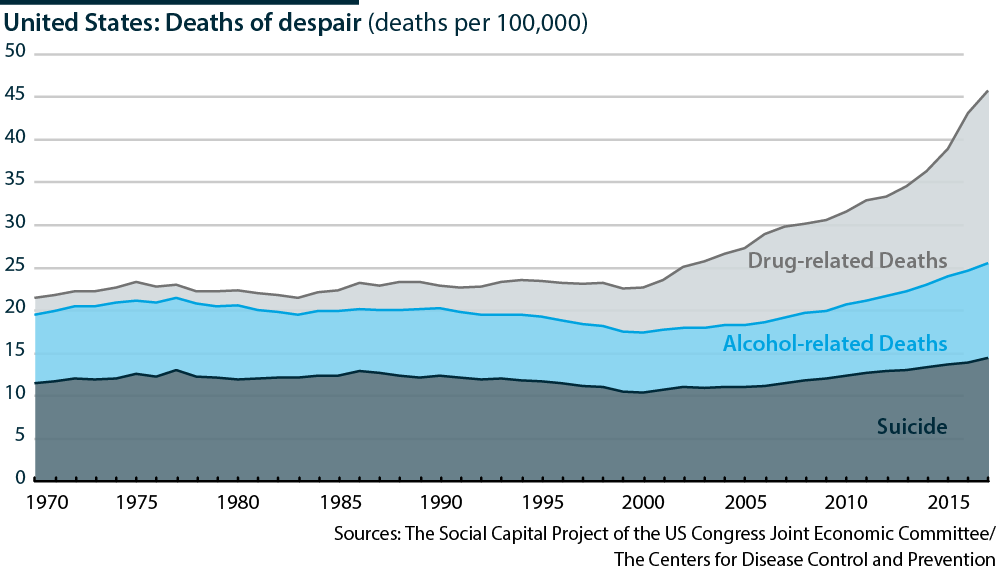
And society pays the price. Mental health declines. Educational gaps widen. Trust and stability erode. People have more access to sex than ever before, but they’re finding less and less meaning in it. We didn’t make sex free. We just made the cost harder to see.
How to Make Sex Expensive Again
If we want to recover, we’ll have to rediscover a healthy view of marriage and family again. That doesn’t mean shame-based purity culture or a retreat into biblical legalism. It means recognizing that sex is powerful: economically, emotionally, and spiritually. It works best when it’s tethered to commitment, covenant, and creation.
Restoring honor to the family isn’t just a personal preference—it’s a cultural imperative. Doing so means telling the truth about how humans are wired, how relationships thrive, and how children flourish. It means re-elevating the sanctity of marriage, not as an outdated tradition, but as the context that protects sex and allows it to find its full meaning in exclusivity, fruitfulness, and the formation of meaning through generational legacy.
Making sex expensive again doesn’t mean making it scarce. It means making it sacred. It means resisting the lie that bodies are toys and that children are optional. It means teaching our sons to sacrifice and our daughters to ask for more. Because sex was never meant to be casual. It was meant to be covenantal.
About the Author:

Josh Wood serves as the Executive Director of Them Before Us, advocating globally for the rights and well-being of children.
He lives with his wife and their four children in Charlotte, North Carolina.
Them Before Us is a global movement committed to defending children’s right to their mother and father. We believe that adult desires should never come at the expense of a child’s fundamental needs.
We are not professional lobbyists or political insiders. We are ordinary people with an extraordinary conviction: children must come first in every conversation about marriage, family, and fertility. We exist to make one thing clear: when adults sacrifice for children, society thrives. When children are forced to sacrifice for adults, everyone pays the price.
Find us around the web: Facebook, X, YouTube, Instagram, Podcast, TikTok & Radio.
The author opens with the line, "Sex used to be sacred." However, I am confident that he would agree with me that it still IS sacred.
We have treated sexual acts in degrading manners, instead of honoring the uniting of one wife and one husband in always open to life maritall acts.
I think "for most of human history" is quite untrue. The Romans (and, I think, many others) practiced infanticide, rape was an instrument of war and terrorism, prostitution and the sexual use of slaves were both expected or sometimes encouraged whether in personal life or as part of religious devotion. Sex was cheap but only "freely" practiced by the powerful. Marriage as social technology is a good point, but it seems like it was functionally different from sex as an act by many in society. Family and kinship networks tied by children were very true, and I read this article in appreciation, but the evils present in human history are different in exact expression but similar (or even the same!) in kind.
Maybe better – "for most of [Christian / Western] history" would be better, and truer, and better reflect the ideals of Them Before Us. If those practices I listed above are distasteful (or, truer, "evil," as I know and believe) then that shows a Christian ethic has been dominant in recent history, or – sex has been expensive, recently, due to the dominance of a Christian ethics.